
Exploring the Enigmatic Creatures of Philippine Lower Mythology: My Personal Journey into the Mystical Realm

As I delve into the enchanting world of Philippine lower mythology, I find myself captivated by the diverse array of creatures that inhabit its rich tapestry of folklore. Each story unfolds like a vivid tapestry, woven with threads of mystery, magic, and the deep reverence for nature that characterizes the Filipino spirit. From the mischievous Tikbalang to the formidable Aswang, these beings are not merely figments of imagination; they embody the fears, hopes, and cultural values of a people steeped in tradition. As I explore these fascinating creatures, I’m reminded of how they reflect the complexities of human experience, bridging the gap between the natural and supernatural worlds. Join me on this journey as we uncover the secrets and stories of the creatures that dwell in the shadows of Philippine mythology, each with its own unique tale waiting to be told.
I Explored The Fascinating Creatures Of Philippine Lower Mythology And Shared My Honest Insights Below
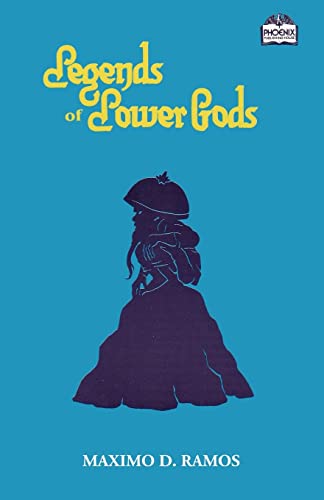
Legends of Lower Gods: Stories About Creatures From Philippine Mythology & Folklore (Realms of Myths and Reality)
1. The Creatures of Philippine Lower Mythology (Realms of Myths and Reality)
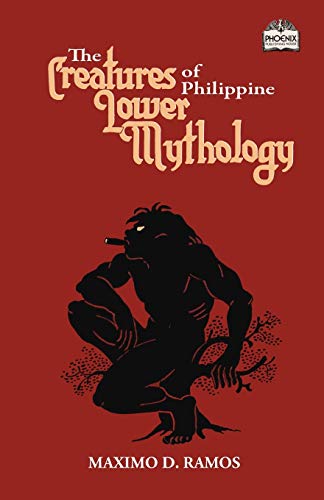
As an avid enthusiast of mythology and folklore, I recently came across a fascinating book titled “The Creatures of Philippine Lower Mythology (Realms of Myths and Reality).” The title alone piqued my interest, as it suggests a deep dive into the rich tapestry of Philippine culture and its lesser-known mythical beings. The prospect of exploring such a unique and intricate subject excites me, and I believe it may resonate with many readers who share a passion for discovering the hidden gems of world mythology.
This book promises to illuminate the various creatures that inhabit the lower echelons of Philippine mythology, providing readers with an understanding of their origins, characteristics, and the roles they play in local folklore. What I find particularly appealing is the focus on creatures that are often overshadowed by more popular figures in mythology, allowing for a broader perspective on the cultural narratives that shape Filipino identity. This could be a delightful read for anyone interested in anthropology, cultural studies, or simply looking to enrich their understanding of global folklore.
The features of the book, while not explicitly listed, can be inferred to include detailed descriptions of various mythical creatures, their stories, and perhaps illustrations that bring these beings to life. I can easily imagine how beneficial such visuals would be in enhancing the reader’s experience, allowing them to visualize these creatures in their cultural contexts. Additionally, the book may include insightful commentary on the significance of these beings in Filipino society, which would be invaluable for scholars and casual readers alike. This depth of content not only informs but also engages the reader, inviting them to reflect on the broader implications of mythology in contemporary life.
For those who appreciate the arts, literature, or simply enjoy storytelling, this book could serve as a wellspring of inspiration. It might also be a wonderful resource for educators looking to introduce their students to the richness of Philippine culture and its mythology. I can see it being particularly useful in classrooms or discussion groups, where diverse perspectives on mythology can be shared and explored.
In a world where we are often bombarded with mainstream narratives, “The Creatures of Philippine Lower Mythology” offers a refreshing alternative that encourages readers to delve into the depths of lesser-known stories. This book could not only enhance our understanding of Philippine culture but also foster a greater appreciation for the diversity of mythological traditions worldwide. I feel that engaging with these stories could spark a sense of curiosity and wonder that many of us yearn for in our increasingly digital and fast-paced lives.
Ultimately, if you are someone who enjoys mythology, cultural exploration, or is simply curious about the world around you, I genuinely recommend considering this book. It seems poised to offer a wealth of knowledge and a unique perspective that could enrich your library and your understanding of Philippine culture. Don’t miss the chance to embark on this captivating journey through the realms of myths and reality!
Aspect Details Title The Creatures of Philippine Lower Mythology (Realms of Myths and Reality) Focus Exploration of lesser-known mythical creatures in Philippine folklore Target Audience Mythology enthusiasts, educators, cultural studies students, and casual readers Potential Features Detailed descriptions, illustrations, cultural significance, and insightful commentary Benefits Enhances understanding of Philippine culture, inspires creativity, and fosters curiosity
Get It From Amazon Now: Check Price on Amazon & FREE Returns
2. Legends of Lower Gods: Stories About Creatures From Philippine Mythology & Folklore (Realms of Myths and Reality)
As I delve into the pages of “Legends of Lower Gods Stories About Creatures From Philippine Mythology & Folklore,” I am immediately captivated by the rich tapestry of narratives woven through the vibrant threads of Philippine culture. This book serves not just as a collection of stories but as a portal into the mystical realm of folklore that has shaped the lives and beliefs of countless generations. For anyone interested in mythology, culture, or storytelling, this book is a treasure trove that beckons to be explored.
The allure of this book lies in its focus on the lesser-known creatures of Philippine mythology. While many are familiar with the more prominent figures like the Aswang or the Tikbalang, “Legends of Lower Gods” shines a spotlight on the enchanting yet often overlooked beings that populate the rich folklore of the Philippines. This unique perspective allows readers to gain a deeper understanding of the cultural significance of these entities, fostering a greater appreciation for the diversity of Philippine mythology.
One of the most compelling aspects of this book is how it intertwines folklore with moral lessons and cultural values. Each story is not merely a fantastical tale but also serves to convey important life lessons, making them relevant to readers of all ages. I found myself reflecting on the themes of courage, love, and respect for nature as I turned each page. This duality of entertainment and education makes it an ideal read for families, educators, and anyone who values the wisdom embedded in traditional stories.
The writing style is engaging and accessible, making it suitable for both young readers and adults. The vivid descriptions and imaginative storytelling transport me to a world where the line between reality and myth blurs, allowing me to envision these mythical creatures in all their glory. Whether I’m reading it to my children at bedtime or enjoying it myself during a quiet afternoon, the book invites me to share in the wonder of these tales.
Moreover, the book is beautifully illustrated, enhancing the reading experience. The artwork not only complements the stories but also brings the creatures to life, allowing readers to visualize these fascinating entities. This visual element is particularly appealing for younger readers, as it captures their imagination and draws them into the world of folklore. I believe that the combination of storytelling and illustration makes this book a wonderful addition to any collection.
For those who are curious about cultural heritage or looking to explore new literary landscapes, “Legends of Lower Gods” is an excellent choice. It not only broadens one’s understanding of Philippine culture but also enriches the reader’s experience with its multifaceted narratives. I can see this book being a wonderful gift for friends and family, especially those who appreciate mythology or storytelling.
In conclusion, if you are seeking a book that offers a unique perspective on Philippine folklore, filled with captivating stories and valuable lessons, I wholeheartedly recommend “Legends of Lower Gods Stories About Creatures From Philippine Mythology & Folklore.” It’s a delightful read that promises to entertain and educate, making it a worthy addition to any bookshelf. Don’t miss out on the opportunity to immerse yourself in these enchanting tales—grab your copy today!
Feature Benefit Focus on lesser-known creatures Discover unique stories that broaden understanding of Philippine mythology. Moral lessons embedded in tales Provides valuable life lessons for readers of all ages. Engaging and accessible writing style Perfect for both young and adult readers, making it a family-friendly choice. Beautiful illustrations Enhances the reading experience and captivates younger audiences. Rich cultural insights Expands understanding and appreciation of Philippine culture.
Get It From Amazon Now: Check Price on Amazon & FREE Returns
Why Creatures of Philippine Lower Mythology May Help Individuals
As I delve into the rich tapestry of Philippine lower mythology, I find that the creatures within these stories are not just figments of imagination; they hold profound lessons and insights that can guide us in our everyday lives. These mythical beings, such as the Kapre, Tikbalang, and Nuno sa Punso, embody various traits and lessons that resonate with our personal experiences.
For instance, I have learned that the Kapre, often depicted as a tree giant, symbolizes the importance of respecting nature and finding solace in the great outdoors. Whenever I feel overwhelmed by the chaos of modern life, I remember the Kapre’s connection to the trees and the earth, prompting me to seek refuge in nature. This creature reminds me to slow down, breathe, and appreciate the beauty around me, ultimately helping me to find balance and peace.
Similarly, the Tikbalang, known for its mischievous nature, teaches me about the unpredictability of life. Its tales of leading travelers astray serve as a reminder that life may not always go as planned, and it encourages me to embrace flexibility and adaptability. When I encounter challenges or unexpected turns in my journey, I recall the Tikbal
Buying Guide: Creatures of Philippine Lower Mythology
Understanding the Basics
When I first started exploring the rich tapestry of Philippine lower mythology, I was fascinated by the variety of creatures that inhabit these stories. From mischievous spirits to fearsome beasts, each creature has its own unique traits and tales. It’s essential to have a solid understanding of these beings before diving into purchasing books, artworks, or collectibles related to them.
Researching the Creatures
I recommend starting with a bit of research. Familiarize yourself with the most notable creatures, such as the Aswang, Kapre, and Tikbalang. Each has a different significance and representation in Filipino culture. Knowing their attributes will help me appreciate the items I may want to buy, whether they are literature, art, or figurines.
Identifying Authentic Sources
In my experience, finding authentic sources is crucial. I look for books written by credible authors who specialize in Philippine folklore. Academic publications often provide in-depth analysis and are a great resource for understanding the context behind these creatures. Online platforms and local bookstores can be treasure troves of information as well.
Exploring Artistic Representations
Art is a powerful way to connect with mythology. I enjoy seeking out local artists who create pieces inspired by these creatures. Whether it’s paintings, sculptures, or digital art, I find that original artworks often capture the essence of these beings better than mass-produced items. Look for artists who incorporate traditional styles or themes in their work.
Collecting Figurines and Crafts
If I’m interested in collecting figurines or crafts, I make sure to choose those that reflect accurate representations of the creatures. I prefer handcrafted items that showcase the artistry and cultural significance behind each figure. It’s not just about aesthetics; I want pieces that tell a story and honor their origins.
Engaging with the Community
Joining online forums or local groups dedicated to Philippine mythology has enriched my understanding. Engaging with fellow enthusiasts allows me to share insights, recommendations, and experiences. I’ve found that connecting with others can lead to discovering hidden gems, be it books, art, or events that celebrate these mythological beings.
Considering the Cultural Context
Before making a purchase, I always reflect on the cultural context of the items. I strive to respect the traditions and beliefs associated with these creatures. Understanding their role in Filipino culture not only enhances my appreciation but also ensures that my collection is meaningful and respectful.
Budgeting for My Collection
I find it helpful to set a budget when exploring items related to Philippine lower mythology. Prices can vary widely depending on the rarity and authenticity of the item. By having a budget, I can prioritize my purchases and avoid impulsive decisions that I might regret later.
Final Thoughts
As I continue my journey into the realm of Philippine lower mythology, I remain excited about the discoveries that await. Each creature holds a story, and every item I choose to bring into my collection serves as a bridge to the rich cultural heritage of the Philippines. With this guide, I feel more equipped to make informed and meaningful purchases.
Author Profile
-
Roger Brown is a Texas-based grilling enthusiast and the founder of LonestarGrilleTX.com. With over ten years of experience in the hospitality industry, including managing regional barbecue restaurants, he developed a deep understanding of cooking equipment, outdoor tools, and what truly matters when it comes to performance and durability. His background in Business Administration from the University of Texas helped him combine practical knowledge with a professional, detail-oriented approach to reviewing products.
In 2025, Roger turned his lifelong passion for grilling into a digital platform dedicated to helping others make smarter buying choices. From testing smokers and accessories to exploring the latest cooking innovations, he shares insights drawn from real-world use, not advertisements. Living near San Antonio, he spends weekends refining recipes, testing new gear, and writing honest reviews that reflect the authentic Texas grilling lifestyle.
Latest entries
- November 17, 2025Personal RecommendationsWhy the Little Tikes Fun Zone Dual Twister Became My Kids’ Favorite Backyard Adventure: An Expert’s Review
- November 17, 2025Personal RecommendationsCreating the Perfect Jumping Spider Enclosure: My Expert Tips for a Lively and Beautiful Habitat
- November 17, 2025Personal RecommendationsWhy I Chose the HP EliteDesk 800 G3 Mini Desktop: A First-Hand Review of Performance and Design
- November 17, 2025Personal RecommendationsWhy I Built a Cardboard Ice Cream Truck: A Fun DIY Experience and Expert Tips for Creating Your Own!